Zero Players to One Million Fans: The Indie Dev Playbook That's Rewriting Gaming History
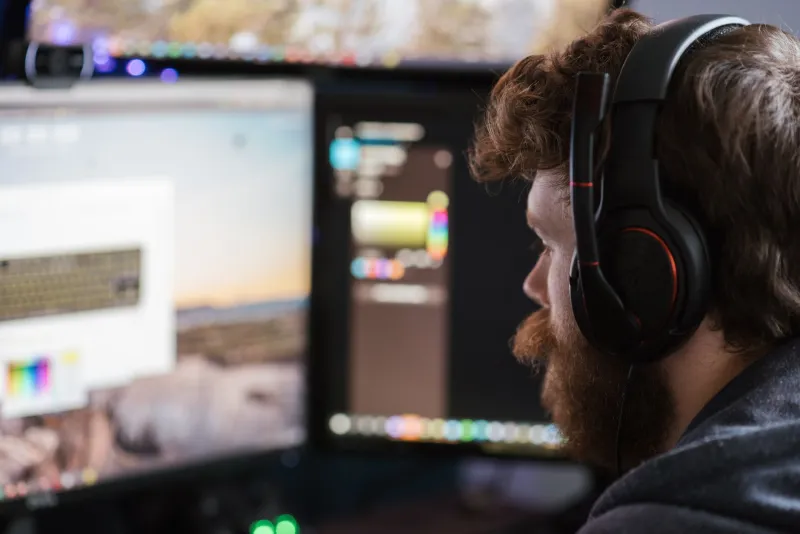
There's something almost mythological about the indie developer story. One person, a laptop, maybe a cheap desk from IKEA, and an idea that just won't quit. In 2024, that story stopped being a long shot and started looking a lot more like a blueprint.
Across the US and beyond, a new wave of solo and small-team developers didn't just launch games — they built entire worlds around them. Communities with Discord servers that hum around the clock, TikTok clips that rack up millions of views, and player bases that feel less like customers and more like co-creators. We dug into five of the most compelling breakout stories of the year to figure out what actually made the difference.
Start With a Community, Not a Launch
One of the biggest mindset shifts separating the breakout devs from the ones who quietly fade out? They stopped treating the game launch as the starting line.
Take the story of a solo developer from Austin, Texas who spent six months building a Discord community around a pixel-art dungeon crawler before a single playable build existed. By the time the Steam page went live, there were already 40,000 people waiting. The game wasn't selling a product — it was inviting people into something they already felt ownership over.
This approach flips the traditional marketing funnel on its head. Instead of making a game and then finding players, these developers found players first and let the community shape the game. Early access builds, public dev logs, and open polls about game mechanics turned passive observers into invested stakeholders. When launch day arrived, those stakeholders showed up — and brought their friends.
Takeaway: Don't wait until your game is done to start talking about it. Build in public, share the messy middle, and let your future players feel like they're part of the process.
Authenticity Beats Advertising Every Time
Marketing budgets can buy impressions. They can't buy trust. The indie creators who blew up in 2024 understood that distinction deeply.
One developer behind a cozy farming sim — yes, another one, but this one hit different — built her entire following through raw, unfiltered development vlogs posted to YouTube and TikTok. She talked about the days when she wanted to quit. She showed bugs that made her laugh and cry simultaneously. She let people see the human behind the code, and people responded.
Her TikTok following crossed 300,000 before her game even entered beta. When she launched a Kickstarter to fund the final production push, it funded in under four hours.
This isn't an isolated case. Across the board, the developers who leaned into vulnerability and genuine storytelling outperformed those who polished everything into a press-release sheen. American gaming audiences in particular have developed a sharp radar for corporate speak — they can smell inauthenticity from a mile away.
Takeaway: Show your process, including the failures. Real stories build real connections, and real connections convert into real players.
Find Your Platform, Then Go Deep
Not every developer needs to be everywhere at once. In fact, trying to maintain a presence on every social platform simultaneously is one of the fastest ways to burn out and produce content that resonates with nobody.
The smartest breakout devs of 2024 picked one or two platforms and went deep. A horror game developer from Seattle became a fixture in Reddit's r/indiegaming community, posting detailed behind-the-scenes threads that routinely hit the front page. A mobile puzzle game creator went all-in on YouTube Shorts, posting 60-second dev tips that doubled as subtle promotion for his own game.
The key in both cases was providing genuine value to the platform's existing community — not just showing up to promote. When you become a resource, people start sharing your content for you.
Takeaway: Pick the platform where your target players already hang out, and give more than you take. Value first, promotion second.
Treat Your Players Like Collaborators
The games that built the most devoted communities in 2024 had one thing in common: their players felt heard.
One developer running a tactical roguelike out of her apartment in Chicago held monthly "community council" streams where she played the game live, took real-time feedback, and implemented changes within the same week. Players who suggested features that made it into the game got credited in the patch notes by username. That level of acknowledgment created a loyalty loop that no ad spend could replicate.
This collaborative dynamic also produces better games. Multiple developers credited their communities with catching balance issues, suggesting genre-adjacent features, and even helping write lore — contributions that made the final product richer than any solo vision could have been.
Takeaway: Your players are your best QA team, your most passionate marketers, and your most creative collaborators. Give them a real seat at the table.
The Long Game Wins
None of these success stories happened overnight, and that's worth saying plainly. The developers who built million-player communities in 2024 had typically been at it for one to three years before their big moment arrived. The overnight success narrative is almost always a compression of a much longer, quieter grind.
What kept them going? Almost universally, they talked about making games they genuinely wanted to play. When the external validation was slow to come — and it was slow — their own investment in the project kept them at the keyboard.
At 1Mil Games, we see this every day. The indie titles that find their home here and build lasting player bases are the ones made with real passion and real patience. There are a million ways to build a gaming community, but the ones that last are almost always built the same way: one genuine connection at a time.
If you're an indie developer with a game in progress, or even just a wild idea scrawled in a notebook, the path forward is messier and slower than the highlight reels suggest — but it's also more possible than it's ever been. The tools are accessible, the audiences are hungry, and the community is waiting.
Your game starts here. Let's build something.