No Credit Card Required: How Free-to-Play Quietly Turned Everyone Into a Gamer
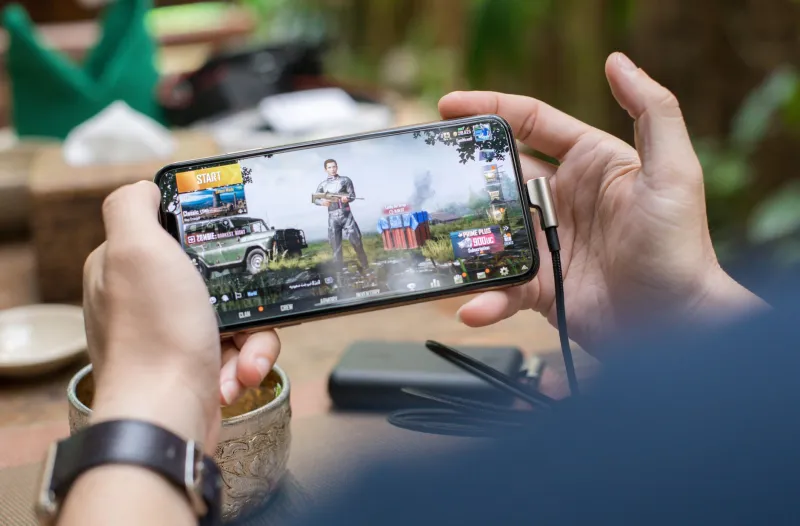
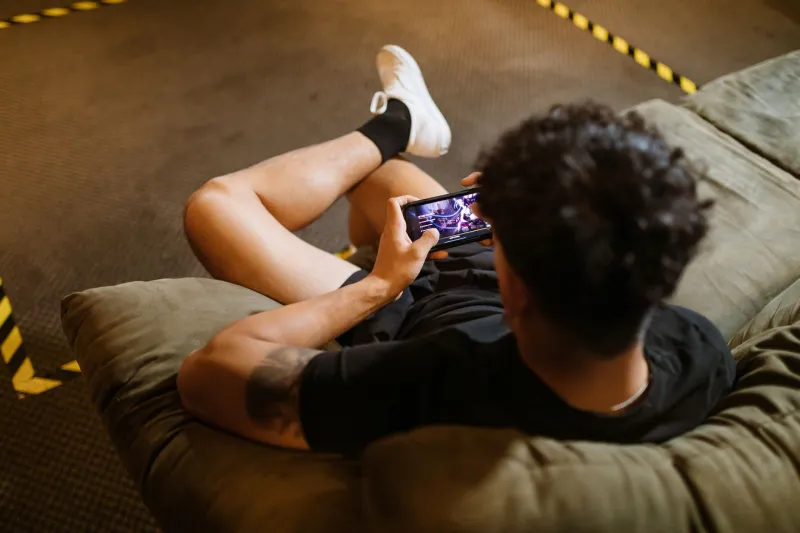
There's a moment — and if you game, you probably remember yours — where something clicks. Where a game stops being a way to kill fifteen minutes and starts being something you think about when you're not playing it. For a whole generation of players, that moment didn't happen in front of a $500 console. It happened on a couch, on a lunch break, or in the back of a rideshare, with a phone in hand and a game that cost exactly nothing to download.
Free-to-play didn't just change the economics of gaming. It changed the demographics of it.
The Price of Zero
Here's a number worth sitting with: as of 2024, roughly 90% of all mobile game revenue comes from free-to-play titles. That's not a niche model anymore — it's the model. And while plenty of ink has been spilled debating the ethics of in-app purchases and battle passes, the more quietly radical story is what happens before anyone spends a single dollar.
When a game costs nothing to try, the mental calculus completely changes. You're not weighing a $60 purchase against rent, groceries, or a night out. You're just... tapping download. The friction disappears. And with it goes one of the biggest walls that kept millions of Americans from ever getting into gaming in the first place.
Sarah, a 34-year-old teacher from outside Columbus, Ohio, puts it plainly: "I never thought of myself as a gamer. I grew up watching my brothers play, but we couldn't afford extra controllers, let alone extra games. Then I downloaded Among Us during the pandemic because it was free and my coworkers wouldn't stop talking about it. That was three years ago. Now I'm playing indie RPGs on weekends and I'm on two different Discord servers."
Sarah's story isn't unique. It's practically a template.
From Curious to Committed
The psychology behind free-to-play adoption is fascinating, and it's not just about money. Behavioral economists call it the "zero price effect" — humans don't just respond to low prices, they respond disproportionately to free. Something offered at no cost triggers a fundamentally different emotional response than something offered cheaply. It feels like a gift rather than a transaction.
For gaming, that psychological shift matters enormously. A player who downloads a free game isn't making a commitment. They're just exploring. And exploration, it turns out, is exactly how people fall in love with something.
The hook doesn't even have to be elaborate. Subway Surfers has been downloaded over 3 billion times — billion — largely because it's free, it runs on nearly any phone, and it delivers a satisfying loop within about 45 seconds of opening it. The game isn't trying to replace Elden Ring. It's trying to be the first domino.
And for millions of players, it was.
The Gateway Effect Is Real
Talk to enough gamers and a pattern emerges. The free-to-play entry point — whether it's a mobile puzzler, a browser-based strategy game, or a free Epic Games Store title — frequently doesn't stay the endpoint. Players who start with zero-cost games develop vocabulary, taste, and appetite. They start recognizing mechanics they enjoy. They seek out more.
This is where indie games enter the picture in a huge way. A player who got hooked on the resource-management loop in a free mobile builder might discover they're obsessed with the genre — and suddenly Stardew Valley at $14.99 feels like nothing. A casual card game on their phone might lead them straight to Slay the Spire. The free-to-play world functions, whether intentionally or not, as a massive, constantly running sampler platter for gaming as a whole.
For indie developers especially, this shift has been transformative. The audience that free-to-play built is enormous, curious, and increasingly willing to pay for experiences that genuinely move them. The challenge — and the opportunity — is catching players at the right moment in their gaming evolution.
Who's Actually Playing?
The old image of the "gamer" — teenage boy, Mountain Dew, headset — has been dissolving for years, but free-to-play accelerated that erosion dramatically. Today, women make up nearly half of all mobile gamers in the US. Adults over 45 are one of the fastest-growing gaming demographics. People who would never walk into a GameStop are logging hundreds of hours into games they found for free.
This isn't a footnote. It's a complete redefinition of the medium's audience.
And it creates an interesting tension. Legacy gaming culture sometimes looks sideways at free-to-play, treating it as lesser-than — a monetization scheme dressed up as entertainment. But that framing misses what's actually happening on the ground. For a retired nurse in Phoenix who spends her evenings playing word games and has started exploring cozy indie titles, the gateway was free-to-play. Her experience is as valid, as real, and as meaningful as anyone else's.
Gaming doesn't get to be a "big tent" while quietly guarding the entrance.
What Comes Next
The free-to-play model isn't without its problems — predatory monetization, manipulative progression systems, and pay-to-win mechanics are legitimate criticisms that the industry is still wrestling with. But those conversations are different from the question of access. And on the question of access, free-to-play has done something genuinely remarkable: it made gaming available to anyone with a smartphone and a few minutes to spare.
At 1Mil Games, that's kind of the whole point. A million ways to play means nothing if the first way in costs more than someone has. The $0 barrier didn't just change a business model — it expanded the definition of who belongs in this world.
And honestly? The more people who find their way in, the better the games get. More players means more voices, more feedback, more developers building for audiences that were previously invisible. The free-to-play gateway isn't just good for players. It's good for gaming, full stop.
So next time someone tells you they're "not really a gamer" while casually mentioning the 200 hours they've put into a free mobile strategy game, maybe push back a little. The door was open. They walked through it. That's the whole story.