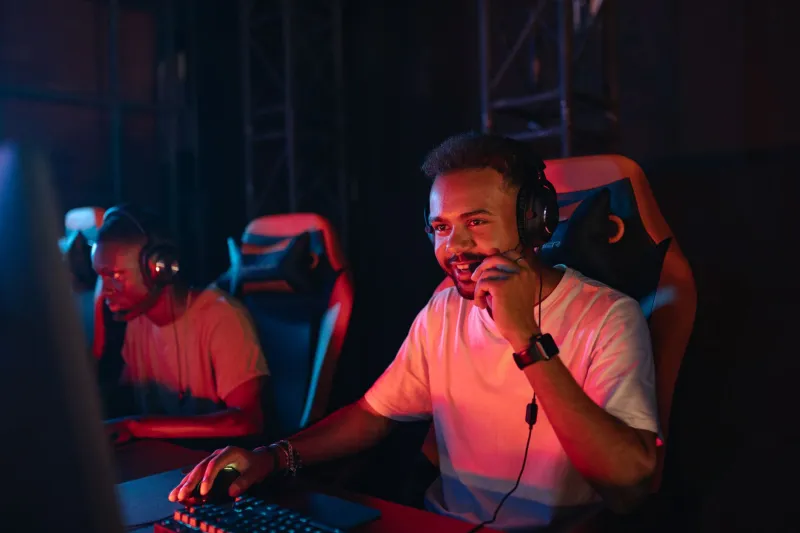
Play Together, Own Whatever: The Cross-Platform Revolution That's Changing How Americans Game
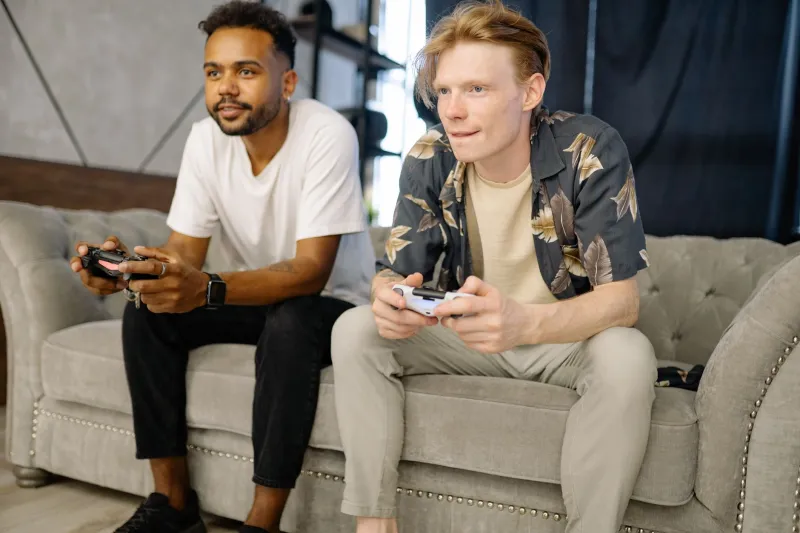
Remember when buying the "wrong" console meant you couldn't play with half your friends? When the PlayStation vs. Xbox debate wasn't just about preference but about who you'd actually get to game with on Friday nights? That era is fading fast — and honestly, it's about time.
Cross-platform play has quietly become one of the most transformative shifts in modern gaming. It sounds like a technical feature, but the ripple effects touch everything: friend groups, purchasing decisions, competitive scenes, and even the way mobile gaming is perceived by the broader gaming community. Let's break down what's actually happening and why it matters for American gamers right now.
The Old Walls Are Coming Down
For most of gaming history, platform loyalty wasn't really a choice — it was a constraint. Sony players stayed in Sony lobbies. Xbox players had their own ecosystem. PC gamers existed in a separate universe entirely. And mobile? Mobile was barely considered "real" gaming by a significant chunk of the community.
The shift started gaining real momentum when Fortnite launched with cross-play support across PlayStation, Xbox, PC, and mobile back in 2018. Epic Games essentially forced the industry's hand, and the player response was overwhelming. Suddenly, a college student on a gaming PC could squad up with their younger sibling on a PS4 and their mom casually playing on an iPhone during her lunch break. That wasn't a small thing — it was a preview of a fundamentally different gaming culture.
Since then, major titles like Rocket League, Call of Duty: Warzone, Minecraft, and Genshin Impact have all embraced cross-platform functionality in meaningful ways. The message from developers is increasingly clear: the game is the community, not the hardware.
Friend Groups Are Being Rebuilt in Real Time
The social impact of cross-platform play is the part that doesn't get talked about enough. Gaming has always been a social activity for Americans — whether it's competing with coworkers, coordinating with college friends scattered across different states, or keeping up with family members who game on wildly different setups.
For years, those connections were constantly interrupted by platform walls. You'd graduate, scatter to different cities, and suddenly realize your friend group had drifted onto different consoles. Staying connected through gaming meant someone had to buy a second system or just give up.
Cross-platform play eliminates that friction. Now, the question isn't "what do you play on?" — it's just "what are you playing?" That's a subtle but genuinely meaningful cultural shift. Gaming is becoming more of a shared language and less of a tribal identity, which makes it accessible to a much wider slice of American life.
Mobile Gaming Finally Gets a Seat at the Table
Here's the piece of this story that deserves way more attention: cross-platform play is doing something significant for mobile gaming's reputation. For a long time, mobile was treated as the bargain-bin cousin of "real" gaming. Casual, disposable, not worth taking seriously.
But when your mobile session in Call of Duty Mobile or PUBG Mobile puts you in the same match as someone on a PC or console, that framing gets harder to maintain. Mobile players are competing in shared spaces, and in many cases they're holding their own. The hardware in a modern iPhone or flagship Android device is genuinely impressive, and developers are building experiences that reflect that.
For the 200+ million mobile gamers in the US, this validation matters. It's not just about bragging rights — it's about being included in the broader gaming conversation. Cross-platform play is one of the clearest signals yet that mobile gaming isn't a lesser category. It's just another way to play.
The Competitive Ecosystem Gets Complicated
Of course, not everything about cross-platform play is a clean win. The competitive side of gaming runs into some genuinely thorny issues when different input methods share a lobby.
Mouse-and-keyboard players on PC have a measurable advantage over controller users in most first-person shooters. Mobile players dealing with touch controls are working with a fundamentally different input system. Most games handle this through input-based matchmaking — grouping controller players together regardless of platform, and separating mouse-and-keyboard users — but the implementation varies wildly and the debate never really settles.
There's also the question of progression. Many cross-platform games now offer unified account systems, letting players carry their progress, purchases, and cosmetics across every device they own. That's a massive quality-of-life improvement. But when it doesn't work — when your 200 hours of PC progress doesn't transfer to console — it creates a friction point that can genuinely push players away.
What's Still Holding Things Back
Despite real progress, the cross-platform revolution isn't complete. A handful of major franchises still maintain platform-specific restrictions, whether for business reasons, technical limitations, or simple corporate stubbornness. Some competitive titles keep separate ranked ladders by platform, which can fragment communities even when casual cross-play is available.
And then there's the social layer. Cross-platform voice chat, friend lists, and party systems are still inconsistent across the industry. Playing with someone is one thing — actually communicating and coordinating smoothly across platforms is another challenge entirely, and it's one the industry hasn't fully solved.
Gaming Your Way, Finally
At 1Mil Games, our whole thing is that there are a million ways to play — and cross-platform compatibility is one of the biggest reasons that's becoming genuinely true. Whether you're a dedicated PC builder, a console loyalist, or someone who does most of their gaming on a phone during a commute, the barriers between you and the people you want to play with are lower than they've ever been.
The console wars aren't completely over. But they're losing their grip on how Americans actually experience gaming. And the future that's replacing them — one where the game matters more than the box it runs on — looks a whole lot more fun.