Likes, Clips, and Controllers: Where Gaming Communities Actually Live Now
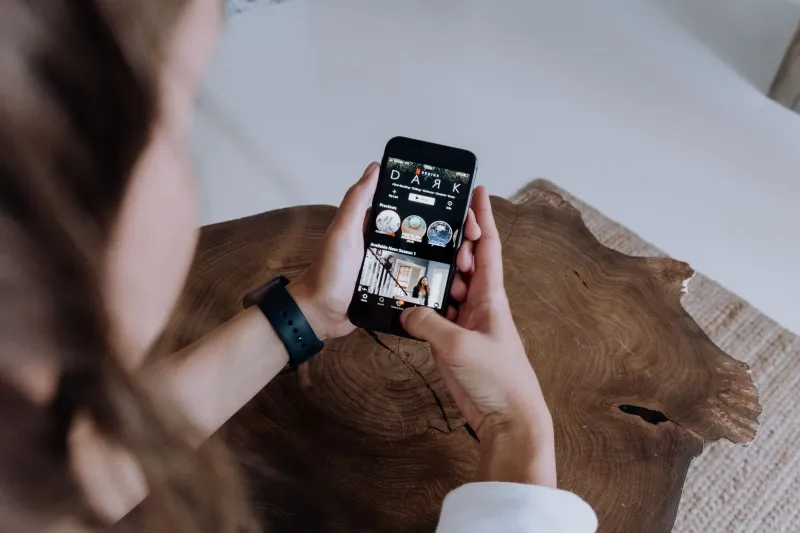
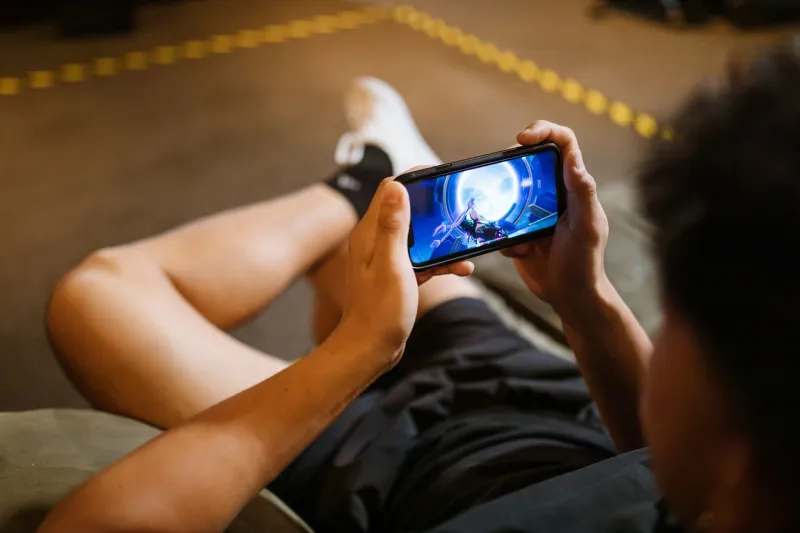
Here's a scenario that plays out constantly right now: a teenager in Ohio discovers a new indie game not through a Steam recommendation, not through a Discord server, not through a YouTube deep-dive review — but through a 28-second clip on TikTok that their friend reposted. They download it the same afternoon. By evening, they've shared their own clip of a funny moment from the game. By the end of the week, that indie studio has 40,000 new players it never expected.
This is the new pipeline. And it's changing everything about how gaming communities form, grow, and define themselves.
The Old Map Doesn't Work Anymore
For a long time, the geography of online gaming culture was pretty stable. You had your mega-forums — Reddit, GameFAQs, the assorted subreddits. You had Twitch for live content and YouTube for longer-form video. Discord became the connective tissue that held individual game communities together. It was a tidy ecosystem, and developers could more or less map out where their audience lived.
That map is outdated now. Not wrong exactly — those platforms still exist and still have real audiences. But they're no longer where the energy is for a huge and growing segment of players, particularly anyone under 25.
The migration to short-form video — TikTok primarily, but also Instagram Reels and YouTube Shorts — isn't just a trend in content consumption. It's a fundamental shift in how gaming culture spreads and how communities coalesce around games. Understanding why this happened matters a lot more than lamenting it.
Why Short-Form Won the Discovery Battle
The honest answer is that short-form video is just better at introducing people to new games than almost any alternative. A 60-second clip can show you exactly what a game feels like to play. It can capture a genuinely funny moment, a jaw-dropping visual, or a mechanic that makes you think "wait, how does that work?" — all without asking for more than a minute of your attention.
Compare that to a traditional review, which asks you to read 800 words before you even see a screenshot. Or a Twitch stream, which might require sitting through an hour of content to catch the moments that actually matter. Short-form video compresses the discovery process in a way that suits how people actually browse for new entertainment in 2024.
For casual and mobile gaming especially, this is enormously significant. The games that thrive in this environment tend to be visually distinct, immediately legible, and fun to watch even in tiny doses. A well-timed clip of a satisfying puzzle solution or an absurd in-game physics moment can do more for a game's visibility than a carefully crafted press release ever could.
The Twitch Faithful Aren't Going Anywhere — But They're Sharing Space
Let's be fair to Twitch here, because the platform still commands serious attention and genuine community loyalty. Live streaming has something short-form video fundamentally can't replicate: real-time interaction. The chat. The shared experience of watching something happen live. That texture is real, and for certain types of games and certain types of players, it's irreplaceable.
But Twitch's cultural dominance — that period around 2018-2020 when it felt like the undisputed center of gaming culture — has clearly passed. Viewership numbers have been volatile. Major streamers have scattered across competing platforms. And critically, Twitch has struggled to attract new audiences who grew up with algorithmic short-form feeds rather than scheduled live broadcasts.
The result is a more fragmented landscape. Twitch still matters. So does YouTube. So does Discord. And so does TikTok, increasingly on its own terms rather than as a junior partner to the older platforms.
What Indie Developers Are Actually Doing About It
This is where things get genuinely interesting from a development perspective. Indie studios — especially smaller teams without marketing budgets — are having to think completely differently about how they reach players.
Some are building "clip-friendly" moments directly into their games. Not in a cynical, exploitative way, but by genuinely asking: what's the scene in this game that someone would want to share? What's the moment that would make someone stop scrolling? That's a legitimate design consideration now, sitting alongside questions about difficulty balance and monetization.
Others are leaning into creator relationships — not necessarily with huge influencers, but with micro-creators who have tight, engaged audiences in specific gaming niches. A creator with 80,000 TikTok followers who exclusively covers indie puzzle games might be more valuable to the right developer than a partnership with a generalist streamer who has 10 times the audience but a fraction of the relevant engagement.
The developers who are struggling are the ones still thinking in the old framework — building a game, writing a press release, hoping for a Twitch pickup. That path still works occasionally. But it's a lottery ticket now, not a strategy.
Is Fragmentation Good or Bad for Gaming Culture?
This is the question worth sitting with, because there isn't a clean answer.
On one hand, the spread of gaming communities across multiple platforms has lowered barriers in real ways. You no longer need to find and join the right Discord server to discover great games — the algorithm will surface them to you based on what you've already engaged with. That's genuinely democratizing. Indie games that would have been invisible on traditional platforms are finding audiences through organic short-form spread.
On the other hand, something gets lost when communities scatter. The deep, textured conversations that happen in a well-moderated Discord server or a dedicated subreddit — the lore theories, the developer AMAs, the genuine friendships built over months of shared play — those don't really happen in comment sections under 30-second clips. The communities that form around viral TikTok moments are wide but often shallow.
The gaming communities that seem to be thriving right now are the ones that use short-form platforms for discovery and then funnel engaged players toward deeper spaces — Discord, dedicated subreddits, community forums — where the real conversation happens. Short-form as the front door, longer-form community as the living room.
Where This Leaves Us
Gaming culture has always been in motion. It moved from arcades to living rooms, from magazines to forums, from forums to YouTube, from YouTube to Twitch. Each transition felt seismic at the time and turned out to be just another chapter.
The current migration to short-form video is real, significant, and still unfolding. For players, it mostly means more ways to find great games and connect with other people who love them — which is a good thing, full stop. For developers, it means the audience is out there and reachable, but the path to them looks different than it did five years ago.
At 1Mil Games, we think about this constantly — how to connect players with the games they'll love, wherever they happen to be spending their time. The platforms change. The appetite for great gaming experiences doesn't.
The community is still there. It just moved.